PSConf 2026

.......................................................................................................................................................................................

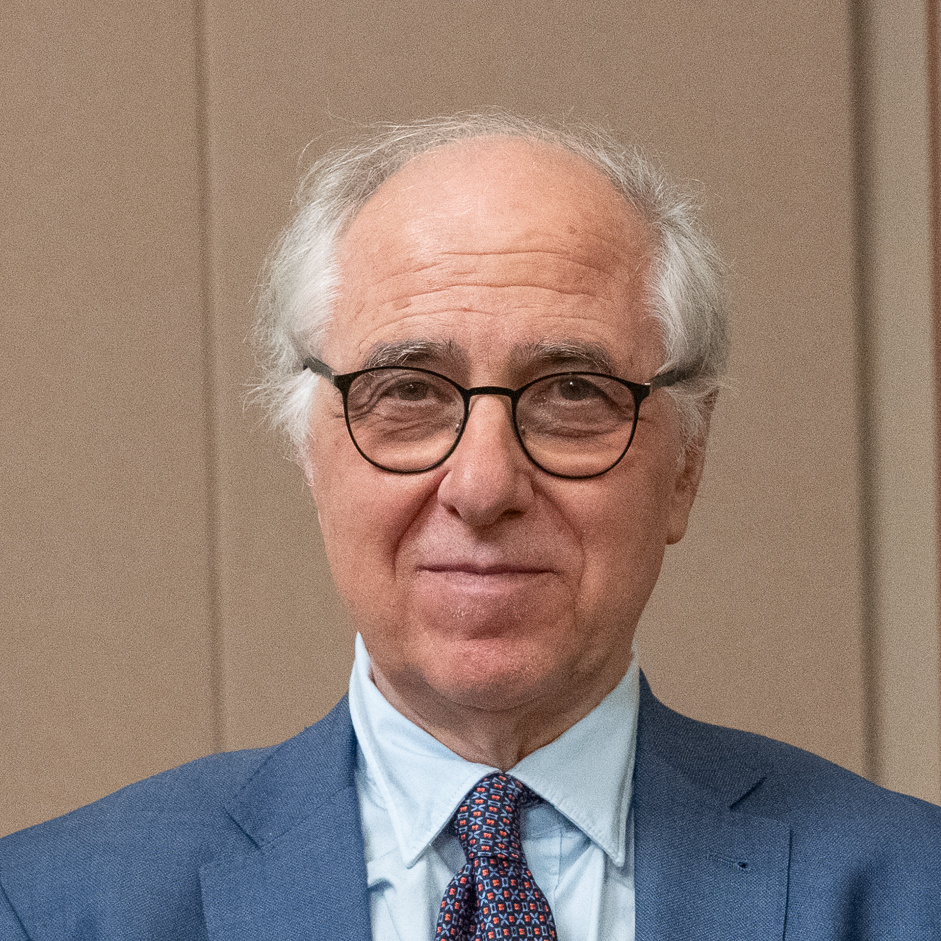
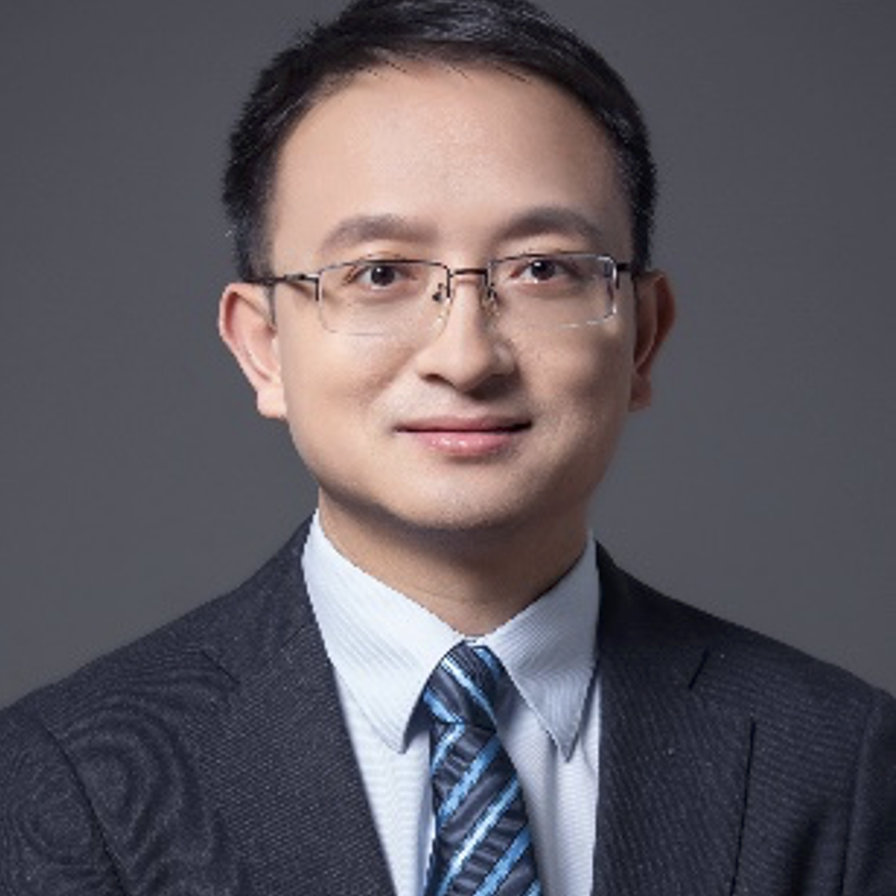
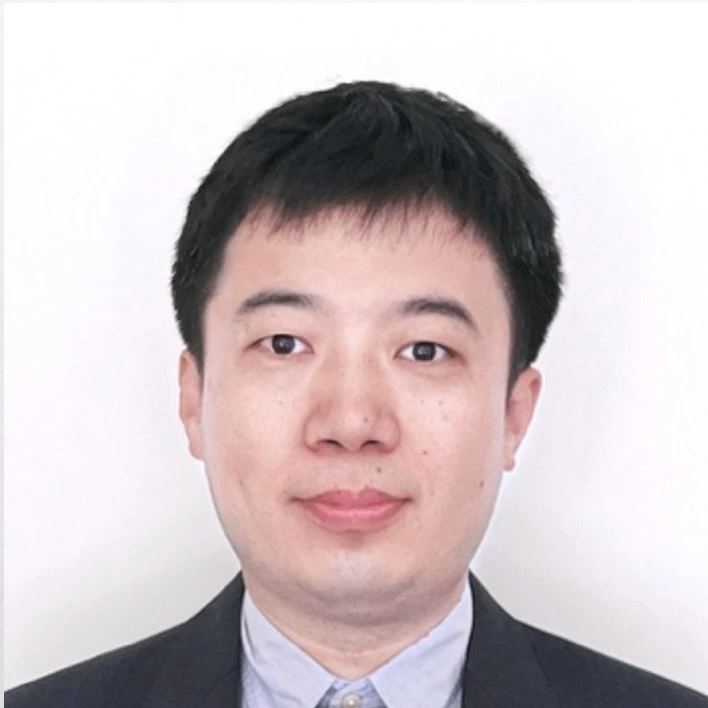
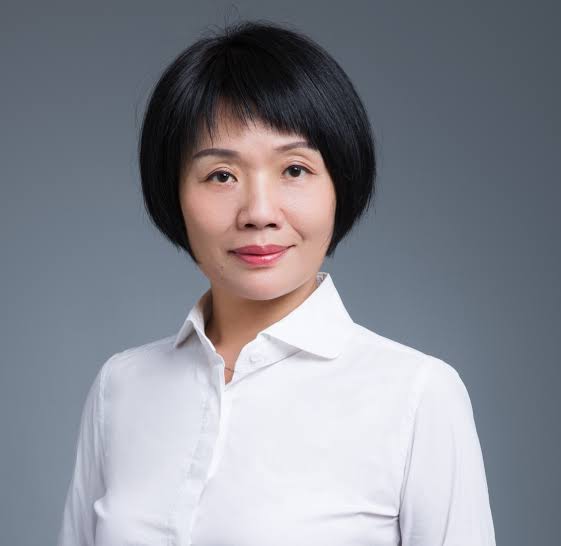
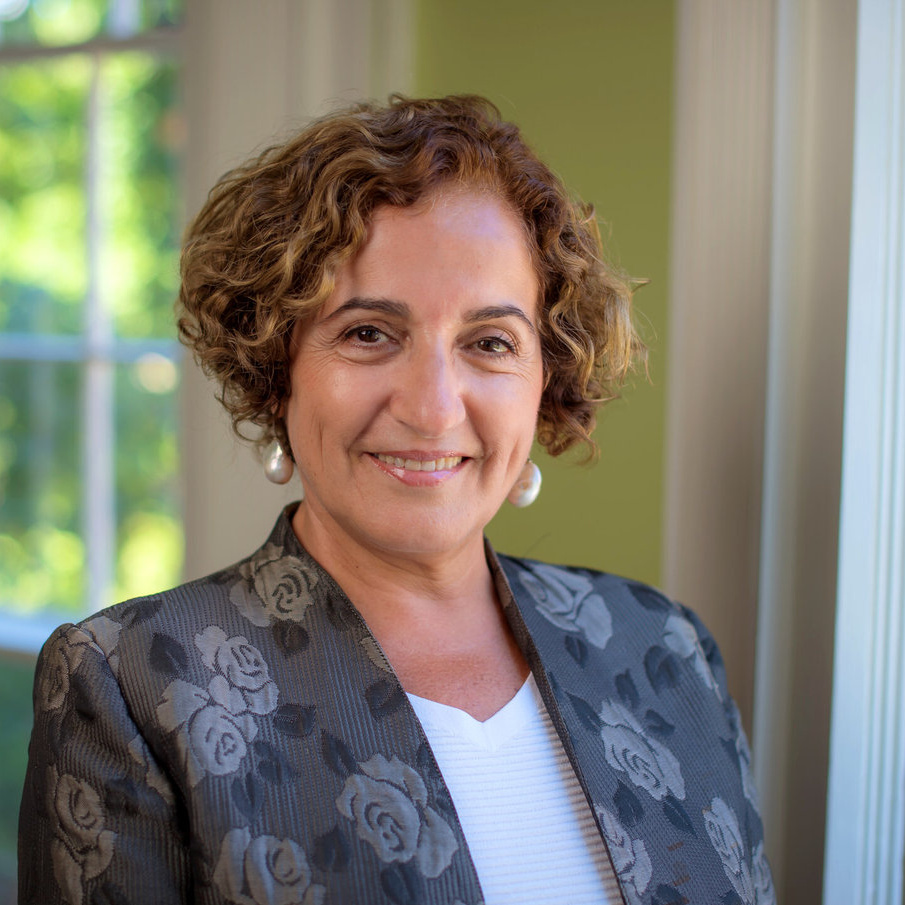
Tao Cheng

Prof. Cheng is the member of the Chinese Academy of Engineering, and a professor of medicine, Peking Union Medical College (PUMC) and Chinese Academy of Medical Sciences (CAMS). He is now the president of the Institute of Hematology & Blood Diseases Hospital, CAMS, and the director of State Key Laboratory of Experimental Hematology. He serves as the vice-president of the Chinese Physiological Society and editorinchief of Blood Science. His research focuses on hematopoietic stem cell potency, hematopoietic ecological homeostasis and regenerative medicine. Prof. Cheng has been dedicated to exploring the mechanisms of hematopoietic stem cell potency and dysfunction, proposing the concept of “hematopoietic ecology” and developing innovative strategies for hematopoietic ecological reconstruction with clinical validation. He has developed novel hematopoietic cell products for clinical translational applications. He has published over 328 SCI papers and holds 43 authorized patents including 4 international ones. He received several prestigious awards including State Natural Science Award of China, National Innovation Excellence Award of China, Tianjin Natural Science Award, Wu Jieping - Paul Janssen Medical & Pharmaceutical Award, the Junior Faculty Award from American Society of Hematology, the Scholar Award from Leukemia and Lymphoma Society of USA, the Distinguished Professorship Award from China Medical Board (CMB), Saint-Antoine-EBMT Achievement Award.


Glyn Stacey

Glyn Stacey has a background in microbiology and cancer research. From 2003, he was the founding Director for the UK Stem Cell Bank for human embryonic stem cells. Glyn’s work has covered safety and quality issues in cell therapy, cells used for manufacturing purposes, development of novel cell-based assays genetic reference materials. Over more than 30 years, Glyn has maintained a strong interest in improvement of cryopreservation methods and biobanking of various biological materials. He has been the Chair for the Society for Low Temperature Biology (www.sltb.info). Glyn has also been a PI for a number of UK and EC funded research consortia and was a leading PI for the EBiSC European iPSC bank project. He serves as numerous SAB members for EU research programmes, a special advisor on cell substrates for WHO, an advisor on OECD initiatives. In the last 20 years his work has focused on stem cell applications including coordinating technical workshops, developing pluripotent stem cells for cell-based medicines and initiating the International Stem Cell Banking Initiative (www.iscbi.org) with members in 28 countries. His main role today is as a special expert supported by CAS PIFI program, where he advises the National Stem Cell Resource Center, on development of their research and clinical studies.


Alfonso Martinez Arias

Alfonso Martinez Arias is currently Honorary Research Professor at the Universitat Pompeu Fabra in Barcelona. He obtained a PhD from the University of Chicago (1983) and became affiliated with the University of Cambridge as a Wellcome Trust Senior Fellow and, from 2001, as professor of Developmental Mechanick. In 2021 he moved to Barcelona. He is an elected member of the European Molecular Biology Organization and oft the Academia Europea and has received the Waddington medal of the British Society of Developmental Biology. His work seats at the interface between stem cell and developmental biology.. He is a co-author of the classic text book in the field  Principles of Development (OUP). In 2023 he published “The Master Builder’(Basic Books) and “Embryo; the science of becoming human’ will be published this Autumn.

Liming Bian

Prof. Liming Bian is currently a Changjiang Scholar Professor and the Associate Dean in the School of Biomedical Sciences and Engineering at the South China University of Technology after serving as a tenured professor in the Department of Biomedical Engineering at the Chinese University of Hong Kong. Prof. Bian completed his Ph.D. study in Biomedical Engineering at Columbia University in 2009. Prof. Liming Bian then conducted his postdoctoral research in the Department of Bioengineering, the University of Pennsylvania from 2009 to 2012. Prof. Bian’s research focuses on the development of novel multiscale biomaterials not only for investigating the role of cell microenvironment factors on stem cell behaviors but also for facilitating the regeneration of diseased or injured tissues and organs. Prof. Bian’s research work has been published in the leading journals including Science Translational Medicine, PNAS, Nature Chemistry, Nature Communications, Science Advances, Advanced Materials, JACS, Angew Chemie, etc. Prof. Bian is a fellow of IUSBSE (FBSE). Prof. Bian serves as the associate editor of APL Bioengineering and editorial member of Biomaterials, ACS Biomaterials Science and Engineering, ACS Applied Polymeric Materials, Bone Research, BMEMat.

Suzanne Butcher

Suzanne Butcher is the Curator of the Australian Stem Cell Registry, a comprehensive catalogue of metadata about Stem Cell lines that have been generated in Australia. Her background spans cell and molecular biology, computational biology and data curation across the immunology and stem cell fields. Since obtaining her PhD from the University of Melbourne, she has focused on contributing to and guiding high-quality, user-friendly computational resources which assist researchers to access biological data. Her recent roles include as curator of the stemformatics.org platform and the Australian Stem Cell Registry, and she has a particular interest in linking the digital identity of stem cell lines to their molecular phenotype.

Hyuk-Jin Cha

Hyuk-Jin Cha, Ph.D is a Professor in the College of Pharmacy at Seoul National University. He received his Ph.D. in Pharmaceutical Sciences from the University of Maryland, Baltimore, and subsequently conducted postdoctoral research at the National Cancer Institute and Harvard University. His research focuses on human pluripotent stem cells, genome editing, stem cell-based disease modeling, and the development of cell and gene therapies. His group uses base-editing technologies and pluripotent stem cell-derived organoid models to investigate the pathogenic mechanisms of genetic diseases and develop novel therapeutic strategies. His research also explores the molecular regulation of pluripotency and developmental potency, as well as partial in vivo reprogramming for tissue regeneration.

Ya-Wen Chen

Ya-Wen Chen is the Isidore Friesner Associate Professor of Otolaryngology–Head and Neck Surgery and an Associate Professor of Stem Cell Biology and Regenerative Medicine and Pathology, Molecular and Cell-Based Medicine at the Icahn School of Medicine at Mount Sinai. She serves as Scientific Director of the Institute for Airway Sciences, Co-Scientific Director of CEABR, Director of Basic Science Research for the Department of Otolaryngology–Head and Neck Surgery, and Director of the DOHaD Biorepository. Her laboratory uses human pluripotent stem cell-derived lung organoids and respiratory progenitor cells to study human lung development, disease, and regeneration, with a particular focus on developing cell-based approaches for airway and lung repair. Her research also investigates mechanisms of respiratory viral susceptibility, including extracellular vesicle-mediated transfer of viral entry factors.


 Marisa Jaconi

Prof Marisa Jaconi, PhD holds since 2005 a faculty position at the Faculty of Medicine of the Geneva University (Switzerland). Within the Department of Basic Neurosciences she directs a research laboratory focusing on mouse and human pluripotent stem cell-based cardiogenic and tissue engineering strategies for the regeneration of the heart. This includes the study of the genetic control of cardiac differentiation and plasticity potential of pluripotent stem cells as models of development and diseases. Being the first scientist to start working with hESC in Switzerland, she has been highly involved publicly in the science/ethics/politics and society debates on embryonic stem cells that were at the origin of the Swiss Stem Cell Act, accepted by public vote in 2005. 

Since 2010, she is vice-director and founder of the Swiss Institute of Cell Therapies (SICT, www.swiss-ict.org), a foundation launched in 2010 by the Geneva University Hospitals and the Faculty of Medicine of the Geneva University. The SICT actively supports the development and clinical application of innovative cell therapies in Switzerland through public-private partnerships. It fosters the federation of Swiss teams operating in GMP-compliant clean rooms for the fast delivery of advanced medicinal products to the patients.


Stefan Krauss

Stefan Krauss is professor and director of the Centre of Excellence Hybrid Technology Hub at the Institute of Medical Biology, University of Oslo and the Oslo University Hospital (https://www.med.uio.no/hth/english/). Stefan Krauss has a background in medicine, developmental biology, developmental signaling and micro-physiological systems. His discovery of the key vertebrate signal Shh was identified as one of the 24 Milestones in Development by the journal Nature. He is currently focusing on applying morphogenetic signaling to advance organoid development, stem cell-based embryo models and integration on-chip. He coordinates the European Innovation Council funded project Supervised Morphogenesis (SUMO; https://supervised-morphogenesis.eu) and participates in the Wellcome Leap “Dynamic Resilience” consortium (https://wellcomeleap.org/dr/program/). Stefan Krauss has published 140 peer reviewed articles (including in Cell, Nature and Nature Journals) and 8 patents.

Andreas Kurtz

Andreas Kurtz,Fraunhofer Institute for Biomedical Engineering (IBMT), Berlin, Germany Charité Universit?tsmedizin Berlin, Berlin Institute of Health Center for Regenerative Therapies (BCRT). Dr. Kurtz received his Diploma in Genetics from Martin-Luther University in Halle/Germany and his PhD in Cell Biology from the Academy of Sciences in Berlin, Germany. He worked as Assistant Professor at Georgetown and Harvard Universities before becoming Director of the German Stem Cell Authority in 2003. He is founding PI of the Berlin Center for Regenerative Therapies (BCRT) in Berlin and heads its Stem Cell Research Lab until now; from 2009 to 2016 he joined the faculty of Seoul National University to establish a teaching program in cell biotechnology. In 2020, he joined Fraunhofer IBMT to further data related research and application in the stem cell field. His research concerns stem cell therapy and stem cell database development. He coordinates the European Stem Cell Registry (https://hPSCreg.eu) since 2010. From 2017-2021 he was member of the European Group of Ethics in Science and New Technologies at the European Commission.

Wei Li

Dr. Wei Li is a professor at the Institute of Zoology (IOZ), Chinese Academy of Sciences (CAS), and currently serves as the director of the Key Laboratory of Organ Regeneration and Reconstruction, CAS. Dr. Li received his Ph.D. degree from the University of Chinese Academy of Sciences / IOZ, CAS in 2012, and joined the IOZ, CAS in 2013. The long-term goal of Dr Li’s research is to develop mammalian engineering biology through combining genome editing, stem cells, and embryo manipulation technologies, to explore the mechanisms and approaches of mammalian organ regeneration, and to develop novel biotherapies for unmet medical needs. His main achievements include: developed several new tools for genome editing; achieved all-RNA-mediated targeted gene integration in mammalian cells; produced laboratory mice with novel and sustainable karyotypes; generated adult bi-paternal offspring through direct modification of imprinted genes in mammals. To date, as a (co)corresponding author, Dr. Li has published over 60 peer-reviewed papers in journals including Cell, Science, Nature, and Cell Stem Cell. Dr Li has received many awards including the CAS Young Scientists Award, and the CAS Outstanding Science and Technology Achievement Prize.

Jiang Liu

Dr Jiang Liu is a professor of epigenetics in the Institute of Biophysics, Chinese Academy of Sciences. His lab is interested in the epigenetic transgenerational inheritance and reprogramming (Cell, 2013; 2014; 2017; 2018. Nature 2019). He reveals that the entire DNA methylome of zebrafish sperm is inherited by early embryos. He also finds that human blastocyst methylome are often abnormal in genome wide level (JGG 2017; Cell Research 2023). Based on this, he invented PreImplantation DNA Methylation Screening (PIMS) for assisted reproductive technology ART. PIMS can increase the rate of live birth and decrease the rate of birth defect.


Masahiro KINO-OKA

Masa (Dr. Masahiro KINO-OKA) is the processor in Department of Biotechnology, Graduate School of Engineering, The University of Osaka since 2009, being the leader in the field of manufacturing for cellular therapy products. He has also established the Research Base for Cell Manufacturability since 2021, performing the developments of cell manufacturing system, guidelines for regulation (by PMDA) with standard (by ISO TC198/WG9 and TC276/WG4) as well as human resources, inviting many companies to gather and make up the core consortium for social implementation.


Mitsuru Morimoto

Mitsuru Morimoto is Team Director of the Laboratory for Lung Development and Regeneration at the RIKEN Center for Biosystems Dynamics Research (BDR), in Japan. He has trained as a developmental biologist with a focus on organogenesis. His lab focuses on identifying analogies in cell signaling among development, regeneration and diseases of the respiratory system using mouse genetics and in vitro culture of stem cells for multicellular systems such as organoids. By understating molecular bases of developmental biology, his lab is attempting to control tissue stem cells at adult and establish a protocol to reconstruct pulmonary tissues from human ESCs/iPSCs.

Andras Nagy

Andras Nagy is a senior scientist at the Lunenfeld-Tanenbaum Research Institute, Sinai Health System, and professor in the Institute of Medical Science, University of Toronto. Dr. Nagy has made significant breakthroughs in developmental genetics, mouse and human pluripotent stem cell biology (both embryonic and reprogramming-induced), disease modelling and cell therapy approaches. His team created the first Canadian human embryonic stem cell lines in early 2000. In 2009, they developed the first method allowing the generation of iPS cell lines without any genetic change. Their approach allowed studying the reprogramming process at multiple OMICS levels, almost at daily resolution from differentiated cells to pluripotency. His current research has become even more translational by addressing and coming up with solutions for two significant hurdles of cell therapies: safety and allogeneic cell acceptance without the need for suppression of the immune system.

Drew Neavin

Dr Drew Neavin is a Group Leader at the Institute for Molecular Bioscience at the University of Queensland. She completed her PhD at the Mayo Clinic in antidepressant pharmacogenomics before joining Joseph Powell's group at the Garvan Institute, where she gained expertise in single-cell and computational genomics and co-developed the village-in-a-dish platform, a pooled-culture system that enables population-scale stem cell experiments and is now used by groups worldwide. Her lab studies context-dependent genetics, using induced pluripotent stem cells and single-cell approaches to reveal how genetic variation shapes gene regulation, disease, and drug response across cell types and states. She also leads international efforts to characterise ancestral diversity in single-cell datasets, work with direct implications for equitable representation in stem cell research.


Ryuichi Nishinakamura

Ryuichi Nishinakamura graduated from the University of Tokyo School of Medicine and worked as a clinical nephrologist for several years. After receiving his Ph.D., he began studying kidney development at the University of Tokyo. In 2004, he moved to Kumamoto University as a professor and is currently a tenured professor in the Department of Kidney Development at the Institute of Molecular Embryology and Genetics at Kumamoto University in Japan. From 2016 to 2020, he served as Director of the Institute.

He demonstrated the presence of the nephron progenitor in the embryonic kidney and discovered its origin. Using this knowledge, he successfully generated three-dimensional kidney tissues (nephron organoids) from pluripotent stem cells. Additionally, he established protocols to induce two additional kidney progenitors: the ureteric bud (collecting duct progenitor) and the stromal progenitor. By combining all three types of progenitors, he succeeded in generating an organotypic "higher-order structure" of the kidney.


Martin Pera

Martin Pera was amongst a small group of researchers who pioneered the isolation and characterization of pluripotent stem cells from human germ cell tumours, studies that provided an important framework for the development of human embryonic stem cells. His laboratory at Monash University was the second in the world to isolate embryonic stem cells from the human blastocyst, and the first to describe their differentiation into somatic cells (precursors of the central nervous system). Currently his lab studies the regulation of self-renewal and pluripotency, heterogeneity in pluripotent stem cell populations, and neural specification of pluripotent stem cells. His work on neural differentiation of human pluripotent stem cells led to the development of a new treatment for macular degeneration, a common form of blindness, which is now in clinical trial in Israel. He has provided extensive advice to state, national and international regulatory authorities on the scientific background to stem cell research, and has delivered hundreds of commentaries for print and electronic media on stem cell research, ethics, and regulatory policy. At the Jackson Laboratory Pera will continue work on the regulation of pluripotency, and will study the genetic basis of individual differences in the response of the central nervous system to injury.


Shyam Prabhakar

......................................................................................................................................................................................

Giorgia Quadrato

Giorgia Quadrato is an Associate Professor at USC's Department of Stem Cell Biology and Regenerative Medicine and Director of the USC CIRM ASCEND Shared Resource Laboratory, which provides organoid models, analytical services, consultations, and specialized training. Her lab develops novel brain organoid models and investigates the cellular and molecular foundations of human brain development and disease, combining these models with single-cell omics to identify disease mechanisms and develop treatments for neurodevelopmental disorders. She has received the 2019 Baxter Foundation Faculty Scholar Award, 2020 Mallinckrodt Foundation Early Career Faculty Award, and 2022 Broad Innovation Award. Since 2024, she serves on the Scientific Advisory Boards of the UCSC NIH Center of Excellence in Genomic Science, Syngap Research Fund, and Quiver Bioscience.

Marcelo Rivolta

Marcelo Rivolta qualified in Medicine and Surgery at the National University of Cordoba, Argentina and did his fellowship and doctoral work at the NIDCD, NIH in the USA. He has held positions at the NIH and at the Universities of Bristol and Sheffield in the UK. Has over 30 years of experience in the hearing field and in the use of stem cells for regenerative therapies. His lab identified and isolated a population of stem cells from the human foetal cochlea and also generated one of the first developmentally informed protocols to direct human pluripotent stem cells into auditory cell types. He also demonstrated, in preclinical models, the proof of concept that stem cells can be used to functionally repair the damaged cochlea. He is Chair of Sensory Stem Cell Biology at the Centre for Stem Cell Biology of the University of Sheffield, and Founder Director and Chief Scientific Officer of Rinri Therapeutics. Rinri Therapeutics is a biotech company advancing the clinical application of pluripotent stem cells for the treatment of hearing loss.

José Silva

José Silva has been a Principal Investigator at the Guangzhou National Laboratory, China, since June 2021. Previously, he was a Wellcome Trust Senior Research Fellow at the Wellcome Stem Cell Institute, University of Cambridge, where he led his research group for 13 years. His early research focused on uncovering the mechanisms that reprogram differentiated cells into induced pluripotent stem cells (iPSCs). Since moving to China, he has focused on using iPSCs to develop advanced mouse and human embryo models. His long-term goal is to harness embryo modelling to advance our understanding of human development and enable future medical applications.


Adrienne Sullivan

Dr Adrienne Sullivan is Head of the Development and Epigenetics Lab, co-appointed in 2023 between the Adelaide Centre for Epigenetics (ACE) and the South Australian immunoGENomics Cancer Institute (SAiGENCI) at Adelaide University. She was supported by a Rutherford-Crick Fellowship to undertake postdoctoral research at the Francis Crick Institute, London, UK, where she used pluripotent stem cells to discover key molecular mechanisms controlling early human embryogenesis. In her independent lab she now integrates epigenomics, molecular perturbation techniques, and in vitro models of human development to define how epigenetic remodelling controls cell identity, potency, and behaviour both in normal development and diseases such as cancer.


Jingyong Wang

Dr. Jinyong Wang is a Principal Investigator at the Institute of Zoology, Chinese Academy of Sciences. He is a full professor at the University of Chinese Academy of Sciences. He serves as Chief Scientist for two stem-cell projects under China’s National Key Research and Development Program and is a recipient of the National Natural Science Foundation of China’s Distinguished Young Scholars award. His research group is committed to testing new theories and developing new technologies for blood and immune cell regeneration from pluripotent stem cells (PSCs), and the clinical translation of new cell products. Representative contributions from his research findings include: his group established a two-step regeneration strategy “in vitro seed generation, in vivo maturation” for generating blood and immune cells from stem cells. This strategy has successfully achieved in vivo regeneration of T-lymphoid, B-lymphoid, and multi-lineage blood immune cells derived from mouse PSCs. Based on the two-step regeneration strategy, they developed a CAR-PSC-derived-NKP (CAR-iNKP) cell therapy, which overcomes the short persistence problem of conventional CAR-NK cells and displays superior efficacy in eradicating tumor minimal residual disease (MRD) combined with chemotherapy. They developed an air-liquid interface Lateral plate mesoderm-organoid induction system for the large-scale production of induced NK (iNK) cells from human PSCs and CD34+ hematopoietic stem cells, providing new methods for efficient generation of trillion-scale mature NK/CAR-NK cells with extremely low engineering costs.

Jun Wu

Jun Wu, Ph.D. who was a full professor at the University of Texas Southwestern Medical Center, most recently joined Westlake University as a Chair professor. Professor Wu has made significant contributions to basic and translational research in pluripotent stem cells (PSCs). His work focuses on leveraging PSCs as powerful tools for developmental and disease modeling, with wide-ranging applications in regenerative medicine and reproductive biology. Professor Wu’s team has discovered novel PSC states with unique molecular and phenotypic properties, advancing the understanding of pluripotency. He has led pioneering efforts in the generation of interspecies chimeras and stem cell-based embryo models. Notably, he achieved the world’s first successful creation of human–pig and human–monkey chimeras. His research also identified cell competition and cell adhesion incompatibility as key barriers to cross-species chimera formation. Furthermore, he was the first to construct stem cell based human and bovine blastocyst-like structures (blastoids). Professor Wu has published over 100 papers in leading journals such as Cell, Science, and Nature. His work was recognized as one of the Science Magazine’s “Top ten breakthroughs of the year” in both 2017 and 2021. He is the recipient of several prestigious awards, including the 2024 International Chinese Stem Cell Foundation Outstanding Young Investigator Award, the 2024 ISSCR Outstanding Young Investigator Award, the NYSCF-Robertson Stem Cell Investigator Award, the Grossman Investigator Award and Endowed Scholar Award at UT Southwestern, and the Cancer Prevention and Research Institute of Texas (CPRIT) Scholar Award. In addition, he serves on the editorial board of several leading international journals, including Cell Stem Cell.


Alex Zhang

Alex Zhang, PhD is the co-founder and president of Zephyrm Biotechnologies, a start-up company that is dedicated to the development of pluripotent stem cell derived therapeutic products. Prior to starting Zephyrm, Alex was the Head of China R&D and Chief Scientific Officer of Asia-Pacific R&D Hub of Sanofi, where he oversaw R&D activities across the AP region. He is also a professor of neurobiology at Capital Medical University (Beijing), where he leads various research projects in the field of regenerative medicine. Alex holds a BS from University of Science and Technology of China and earned his Ph.D. from Northwestern University. His postdoctoral training was at Stanford University.

Yong Zhang

Senior Quality System Consultant at the Beijing Institute for Stem Cell and Regenerative Medicine (BISCRM, Beijing), and Director of International Cooperation at the National Engineering Center for Biochip (Shanghai), China. He serves as Vice Chair of the IEC/ISO Bio-Digital Convergence System Committe, and is an active expert for ISO/TC 276 (Biotechnology) and SAC/TC 559 (Biobanks).

He earned both his bachelor’s degree and Ph.D. from Peking University. From 2001 to 2015, he worked at BGI, where he later served as the founding Director of the China National GeneBank — a national initiative backed by $60 million in government funding. He has 84 SCI papers, 7 published books and 23 patents, with an h-index of 56. He has led the development of the world’s first international standards for high-throughput sequencing (ISO 20397 series), stem cell data (ISO 8472 series), and organoids (ISO 25430 series).


Jie Zhou

Prof ZHOU Jie.  Associate Professor. Department of Microbiology, The University of Hong Kong. Prof Zhou’s research interests focus on developing organoid models and organoid-based virus research. She and her team established the first human respiratory organoid culture system and first bat intestinal organoid in the world, which has opened up new avenues for diverse applications in biomedical research and drug development. Her contribution to organoid technology is attributed to her clinical medical training and her experience in clinical pathology and virus research. She obtained her PhD from the University of Hong Kong in 2007 and finished postdoctoral training at UCSF in 2009. She has published over 100 research papers in prestigious journals including Nature Medicine, PNAS and Science Advances, ranked among the top 1% of cited scholars by Clarivate Analytics in 2021, and highly cited scholar since 2022. She and the team founded a startup company BiomOrgan Limited to commercialize the proprietary respiratory organoid technology since 2021.


Hala Zreiqat

Professor Hala Zreiqat AM is Distinguished Payne-Scott Professor of Biomedical Engineering at the University of Sydney and an internationally recognised leader in biomaterials and regenerative medicine. Her research engineers advanced synthetic biomaterials and architecturally designed scaffolds for musculoskeletal tissue regeneration, integrating materials science, biology, nanotechnology, and 3D printing, with several technologies progressing towards clinical translation.

She was appointed a Member of the Order of Australia (AM) in 2019 for service to biomedical engineering and science. Her honours include Fulbright Senior Scholar at MIT (2021–2022), Harvard Radcliffe Fellow (2016–2017), NSW Premier's Woman of the Year (2018), the Eureka Prize for Innovative Use of Technology, the King Abdullah II Order of Distinction, the TAKREEM Award for Scientific and Technological Achievement (2022), the Suzanne Cory Medal from the Australian Academy of Science (2026), and the Chinese Association for Biomaterials Global Biomaterials Leadership Award (2026).

She is an elected Fellow of the Australian Academy of Science, the Australian Academy of Health and Medical Sciences, the Australian Academy of Technology and Engineering, and the Royal Society of New South Wales, and internationally a Fellow of the American Institute for Medical and Biological Engineering and the International College of Orthopaedic Research. She currently serves as Secretary-Elect for Education on the Council of the Australian Academy of Science (2026–2029). She is also the founder and chair of BIOTech Futures, an international mentoring initiative connecting high school students with leading scientists and engineers.


Xiuwu Bian

Xiuwu Bian, M.D. & Ph.D. is a professor of pathology and the member of Chinese Academy of Sciences. He is the director of the Institute of Pathology and Southwest Cancer Center, Southwest Hospital, Chongqing, China. He is now the vice-president of Chinese Society for Stem Cell Research and the president of Chinese Association of Pathologists. His research interests cover stem cell variation, cancer stem cells and tumor microenvironment. Dr. Bian has been devoted to characterization of various cancer stem cells (CSCs) from human cancer, identification of CSC plasticity and heterogeneity, and the interaction of CSCs with tumor microenvironment. He found that CSCs contribute to angiogenesis through production of angiogenic factors and trans-differentiation into endothelia and pericytes, thus generated new diagnostic and therapeutic strategies for precision medicine. He also established a biobank for CSCs and COVID-19 tissues.


AASCRM Summit

.......................................................................................................................................................................................

Matias I Autio

Dr Matias I Autio, did his undergraduate and postgraduate studies in Imperial College London. In 2013 he joined the group of Prof Roger Foo in the Genome Institute of Singapore as a post-doctoral fellow working on genome engineering of stem cell models for cardiovascular disease. He is currently a Senior Scientist in the Genome Institute of Singapore and a Senior Research Fellow in the National University of Singapore and works on genome engineering of human pluripotent stem cells and other mammalian cell types for cell and gene therapy applications.

Katie Ayers

Associate Professor Katie Ayers is the Deputy Theme Director of Genomic Medicine and co-lead of the Reproductive Development group at the Murdoch Children’s Research Institute in Melbourne, Australia. Her research focuses on the genetic and molecular mechanisms underlying gonad development and Variations/Differences of Sex Development in humans. Katie has a background in genetics, genomics and developmental biology and is an international leader in the differences of sex development field. She also brings a special interest in using stem cells to model human reproductive development and the conditions that affect it. Katie is the Treasurer for the Australasian Society for Stem Cell Research, a Rebecca Cooper Fellow and received the 2025 KY Cha Award for Stem Cell technologies from the American Society for Reproductive Medicine.

Jeong-Tae Do

Do, Jeong Tae is a Professor in the Department of Advanced Biotechnology at the Institute of Science and Technology, Konkuk University, Korea. He received his BS in Animal Biotechnology and his MS and PhD in Developmental Engineering from Konkuk University. He completed postdoctoral training at the University of Pennsylvania, USA, and the Max Planck Institute for Molecular Biomedicine, Germany.

Professor Do has held faculty positions at CHA University and Konkuk University, where he has served as Professor of Stem Cell and Regenerative Engineering and currently as Professor of Advanced Biotechnology. He is also the Director of the 3D Tissue Culture Research Center at Konkuk University and CEO of Next Food Tech Co., Ltd.

His research focuses on stem cell biology, developmental engineering, synthetic embryos, cellular reprogramming, and organoid technologies, with applications spanning regenerative medicine, developmental toxicology, and cell-based food systems. He has authored the textbook Stem Cell Biology (Life Science Press), which provides a comprehensive overview of stem cell biology.

Professor Do has published extensively in leading journals, including Cell, Cell Stem Cell, Redox Biology, NPJ Science of Food, Environment International, ACS Biomaterials Science & Engineering, and Cellular and Molecular Life Sciences. He has served on multiple editorial boards, including Scientific Reports and International Journal of Stem Cells. He is currently the President of the Korean Society for Stem Cell Research.

Anai Gonzalez-Cordero

Associate Professor Anai Gonzalez-Cordero is an Al & Val Rosenstrauss Fellow and Unit Head at the Children's Medical Research Institute (CMRI), with a conjoint appointment at The University of Sydney. She is a leader in the field of stem cells and organoid biology, with a particular focus on translating these technologies into novel therapies for inherited retinal diseases.

After beginning her scientific career in the United Kingdom, Dr Gonzalez-Cordero completed a Wellcome Trust-funded PhD in Stem Cell and Developmental Biology and continued her research at the Institute of Ophthalmology, University College London. In 2019, she relocated to Australia to establish and expand her research program in stem cell biology and ophthalmology.

Her work has been recognised through numerous awards, including the prestigious Metcalf Prize for Stem Cell Research in 2022. She is internationally known for pioneering proof-of-concept studies demonstrating the transplantation of stem cell-derived photoreceptors, the light-sensing cells of the retina, which can restore visual responses in preclinical models of blindness. At CMRI, she also leads the Stem Cell and Organoid Facility, providing induced pluripotent stem cell (iPSC) lines and human organoid models to researchers across Australia.


Tay Hwee Goon

Dr. Tay Hwee Goon is an Assistant Professor at the Centre for Vision Research, Duke-NUS Medical School, with joint appointments at the Singapore Eye Research Institute (SERI) and the Ophthalmology & Visual Sciences Academic Clinical Programme (EYE-ACP), SingHealth. Beyond publishing in leading international peer-reviewed journals, her lab holds several patents and invention disclosures for generating photoreceptor, RPE, and ganglion progenitor neurons from human pluripotent stem cells, as well as RPE-retinal scaffold technologies for cell-based transplantation. She has direct experience translating academic IP into industry, having licensed her patented technology and co-founded biotech spin-off. She remains active in translational research through academic-industry partnerships with biotech companies, driving her cell and gene therapy platforms toward clinical application. Dr. Tay has been awarded several major national grants, including the NMRC Young Individual Research Grant and the NRF Competitive Research Programme Grant, alongside philanthropic funding in support of her work on regenerative medicine for prevalent retinal diseases.

Ji Hyeon Ju

Ji Hyeon Ju, MD, PhD, is a Professor of Rheumatology at The Catholic University of Korea. He earned his MD from the College of Medicine at The Catholic University in 1997, followed by an MS in 2008 and a PhD in 2012 from the same institution.

Dr. Ju currently serves as the President-elect of the Korean Society for Stem Cell Research (KSSCR). In addition to his academic role, he is the CEO of YiPSCELL, a biotechnology company focused on developing stem cell-based therapies. The company specializes in generating stem cell lines from both healthy individuals and patients using advanced induced pluripotent stem cell (iPSC) technology.

Dr. Ju also contributes to national regulatory and scientific efforts as a member of the Advanced Biopharmaceuticals Specialist Committee at the Korea Drug Safety Management Institute, as Chairman of the Review Board for Pharmaceuticals and Medical Devices at the Ministry of Health and Welfare, and as a Biomedical Expert Member of the National Science and Technology Advisory Council.


Ryuji Kato

Ryuji Kato is an Associate Professor and Principal Investigator at the Graduate School of Pharmaceutical Sciences, Nagoya University. His research integrates cell manufacturing, regenerative medicine, artificial intelligence, bioimage informatics, and quality management systems for advanced cell therapies. He is internationally recognized for developing non-invasive cell quality assessment technologies and for leading standardization activities in regenerative medicine.

He served as Project Leader for JIS Q 2101, Japan's first national standard for cell processing management, and is an expert member of ISO/TC 276. He is also the founder and CSO of Quastella Inc. He has published more than 120 peer-reviewed papers and holds over 25 patents.


Jung-Hyun Kim

Jung-Hyun Kim studied pharmacy at Duksung Women’s University (KOR), where she received her B.S. degree in 2005. She subsequently obtained her M.S. in school of pharmacy from Seoul National University in 2007. She then moved to Heidelberg University (GER), where she earned her Ph.D. in natural sciences in 2010 under Prof. Clarissa Gerhauser. Following her doctoral training, she conducted postdoctoral research at Johns Hopkins University (USA) from 2011 to 2014 in the field of environmental health sciences.

In 2014, she returned to Korea and joined the Korea National Institute of Health, where she served as a principal research scientist and deputy director until 2024. During this period, she led research programs focused on pluripotent stem cell banking and cell therapy manufacturing for 10 years. She is currently a professor at Ajou University School of Pharmacy, where she heads toxicology lab focusing on immune-integrated organoid platforms and host–pathogen interactions. Her work aims to reconstruct physiologically relevant human microenvironments for studying host–pathogen interactions and accelerating therapeutic development.


Bon-Kyoung Koo

Dr. Bon-Kyoung Koo is a mammalian geneticist whose research focuses on E3 ubiquitin ligases and genetic technologies for understanding development, regeneration, and tumorigenesis. He has characterized key E3 ligases, including Mib1 (Development, 2005; Neuron, 2008), Rnf43 (Nature, 2012; PNAS, 2015), and Phf16 (Developmental Cell, 2024), which regulate Notch, Wnt, and Hippo signaling. Notably, he identified Rnf43 and its paralogue Znrf3 as tumor suppressors that target Wnt receptors for endo-lysosomal degradation and further elucidated their regulation through essential phosphorylation sites (Nature Communications, 2020) and downstream mediators Daam1 and Daam2 (Science Advances, 2023).

Dr. Koo has also pioneered genetic technologies for organoid and mammalian mosaic genetics. His work spans viral transgenesis (Nature Methods, 2012), CRISPR/Cas9 genome editing (Cell Stem Cell, 2013), and conditional knockout approaches (Nature Methods, 2017). Using genetic lineage tracing, he characterized Troy+ gastric stem cells (Cell, 2013), gastric isthmus stem cells (Cell Stem Cell, 2019), and mechanisms of stem cell quiescence (Cell Stem Cell, 2022). He further developed mammalian mosaic genetic tools for tracing tumorigenic mutant cells in vivo (Nature, 2021; Nature Communications, 2024). More recently, his group has expanded organoid genetics across species, developing diverse bat organoids as pathophysiological models for zoonotic viruses (Science, 2025) and a universal conditional knockout approach applicable across multiple species and cell systems (Nucleic Acids Research, 2026).


Jonathan Loh

Jonathan is currently a Research Director at the A*STAR Institute of Molecular and Cell Biology where he also serves as the Division Director for the Cell Biology and Therapies research. Concurrently, he is an Associate Professor (Adjunct) at the NUS Yong Loo Lin School of Medicine, NUS Faculty of Science and NUS Graduate School of Integrative Sciences and Engineering. Jonathan is the Chief Scientific Officer and Chief Innovation Officer for two Biotech start-ups, which focus on development of high quality stem cells and alternative proteins, respectively. His research focuses on dissecting the mechanisms regulating cell fate changes, and developing novel tools for the use of stem cells in clinical cell based therapies.


Kyoko Miura

Kyoko Miura, Ph.D., is a Professor at the Graduate School of Medical Sciences, Kyushu University. She received her Ph.D. in 2010 and trained in stem cell biology and regenerative medicine in the laboratories of Dr. Shinya Yamanaka at Kyoto University and Dr. Hideyuki Okano at Keio University. She subsequently established an independent research program using the naked mole-rat, the longest-lived rodent, as a model to investigate mechanisms of resistance to aging and age-related diseases.

Over the past 16 years, Dr. Miura has established Japan’s only and one of the world’s largest research colonies of naked mole-rats, and has developed experimental platforms for their breeding, husbandry, and molecular, cellular, and tissue-level studies. Her research focuses on how naked mole-rats maintain tissue homeostasis and suppress pathological aging and tumorigenesis.

Her work has uncovered resistance to tumorigenesis in naked mole-rat iPS cells, resistance to DNA damage in naked mole-rat neural stem cells, cancer-resistant mechanisms associated with the evolutionary loss of necroptosis signaling and suppression of pathological inflammatory responses, and mechanisms underlying natural senolysis. These studies have helped establish the naked mole-rat as a powerful model for understanding mammalian healthy longevity and resistance to age-related diseases.


Clare Parish

Professor Clare Parish is the Deputy Director of Science at the Florey Institute of Neuroscience and Mental Health in Melbourne, Australia where she also heads the Stem cells & Neural Repair laboratory. Clare completed her PhD at Monash University in Melbourne, followed by postdoctoral training at the Karolinska Institute (Sweden), before returned to Australia in 2007.  

Her team has broad research interests focused on using human pluripotent stem cells to (i) enhance understanding of neural development, (ii) establish superior models of human neurodegenerative diseases (inclusive of refined 2D systems, complex assembloids and human-rodent chimerias) as well as (iii) utilise human stem cells for the advancement of new regenerative therapies – most notably through cell transplantation for Parkinson’s disease and stroke. Here her team has advanced knowledge contributing to current and proposed clinical trials, and continues to develop strategies to ensure improved safety and enhanced functional efficacy of neural transplantation through the engineering of novel stem cell tools, combined gene therapy and biomaterials. 

She has been the recipient of numerous national and international fellowships including a Human Frontiers Science program , Viertel Charitable foundation award and 4 National Health and Medical Research Council Australia fellowships. 

In recent years she has been the recipient of funding from Aligning Science Across Parkinsons, MJ Fox Foundation, NHMRC Australia, and the Medical Research Future Fund Australia. Clare has >135 publications (including Cell Stem Cell, Nature Comms, and Advanced Materials) and numerous patents stemming from her research.

Shigeto Shimmura

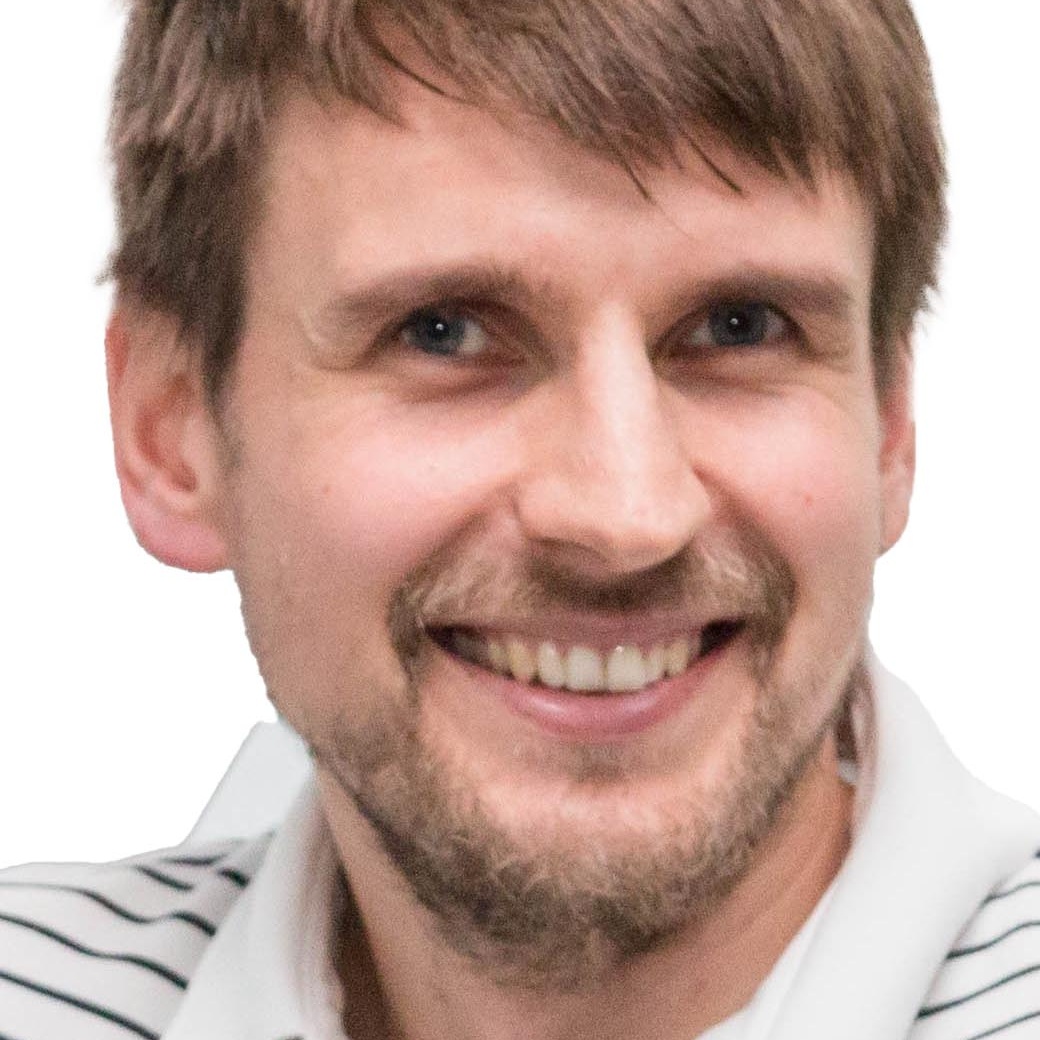
Dr. Shigeto Shimmura is a Professor at Fujita Medical Innovation Center, Department of Clinical Regenerative Medicine, Fujita Health University. He previously served as Associate Professor in the Department of Ophthalmology at Keio University School of Medicine (2007–2022) and held faculty positions at Tokyo Dental College and several hospitals in Japan. He completed his ophthalmology residency at Keio University School of Medicine and received his M.D. from the same institution in 1989, followed by a Ph.D. in 1998. A board-certified ophthalmologist, Dr. Shimmura is actively involved in professional societies, serving as Assistant to the President of the Japanese Society for Regenerative Medicine, a Board Member of the Japan Cornea Society, and a Councilor of the Japanese Ocular Inflammation Society. He has received numerous prestigious awards, including the American Academy of Ophthalmology Achievement Award (2010), the ARVO Gold Fellow (2016), and the AAO Senior Achievement Award (2022).
Moshi Song
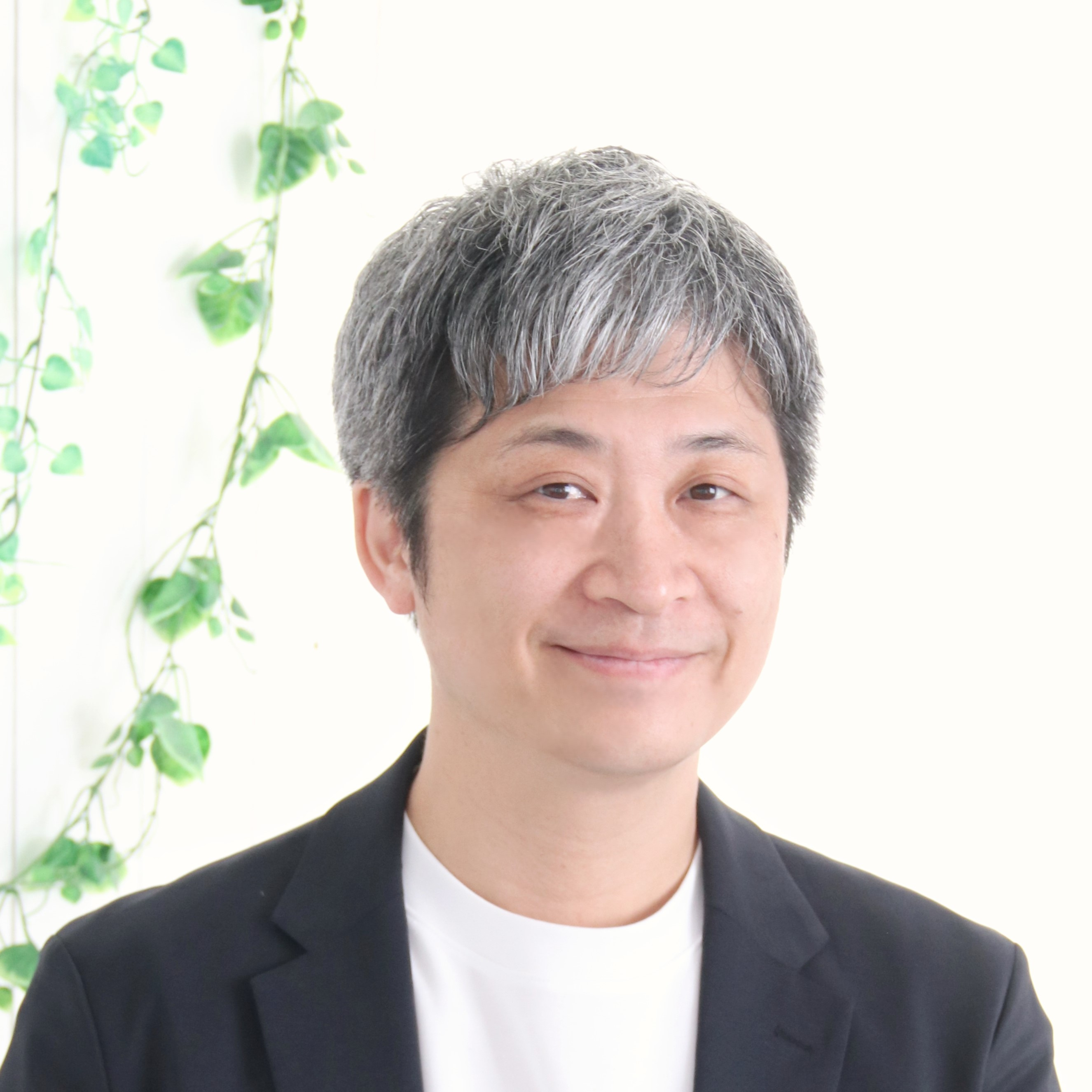
Dr. Moshi Song is a principal investigator and doctoral supervisor jointly appointed by the Institute of Zoology, Chinese Academy of Sciences, and the Beijing Institute for Stem Cell and Regenerative Medicine. She received her master's degree in Biomedicine at Karolinska Institute, her Ph.D. in Molecular Cell Biology at Washington University in Saint Louis, and completed her postdoctoral training at the Cardiovascular Research Institute of Stanford University. Her research focuses on the mechanisms and interventions of cardiac aging and related diseases, systematically elucidating the molecular mechanisms of cardiovascular aging and developing multi-dimensional intervention strategies. In the past five years, as (co-)corresponding author, she has published 35 papers in journals such as Cell, Nature Aging, Circulation Research, and Nature Communications.


Keiko Sugai

Dr. Keiko Sugai is an Assistant Professor in the Department of Orthopaedic Surgery at Keio University School of Medicine. She received her M.D. in 2008 from Keio University and completed her Ph.D. there in 2016. Following her residency at Asahi General Hospital, she joined the Department of Orthopaedic Surgery at Keio University in 2010 and has served as Assistant Professor since 2016. Dr. Sugai participated as a physician in the clinical study of iPSC-derived neural progenitor cell transplantation for subacute spinal cord injury in 2020. She has been serving as Secretary of the Working Group/Committee for Appropriateness Assessment of Regenerative Medicine under the Japanese Society for Regenerative Medicine since 2021, and currently holds a JSPS Research Fellowship (RPD) from April 2024 to March 2027.

Yangming Wang

Dr. Yangming Wang is a Full Professor and Director of the Institute of Molecular Medicine at the College of Future Technology, Peking University, China. He is also a Principal Investigator at the Beijing Advanced Center of RNA Biology (BEACON). He received his B.S. from Peking University in 1996, earned his Ph.D. from the University of Illinois at Urbana-Champaign in 2006, and completed his postdoctoral training at the University of California, San Francisco, from 2006 to 2010. His research focuses on RNA biology and stem cell biology, with major contributions to understanding RNA regulation and developing new tools for RNA research and biomedical applications. He has published over 60 peer-reviewed papers in leading journals, including Nature Genetics, Nature Biotechnology, Nature Methods, and Nature Cell Biology. He is a Council Member of the Chinese Society of Stem Cell Research and Vice Chair of the Chinese Society of RNA Biology. He also serves on the Advisory Boards of Cell Reports and Cell Proliferation.